
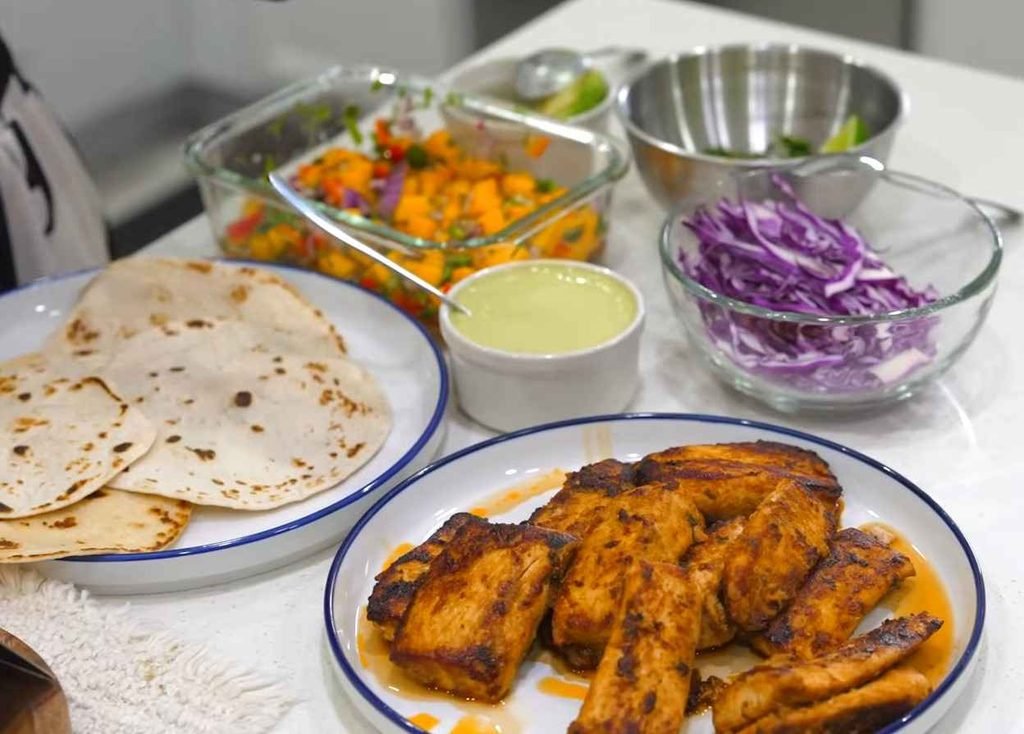
Homemade Taco Seasoning Recipe
Skip the salty store packets and make bold, fresh taco seasoning at home in just 5 minutes. This easy Taco Seasoning Recipe uses simple pantry spices like chili powder, cumin, paprika, garlic powder, and oregano to create rich Tex Mex flavor for beef, chicken, shrimp, vegetables, soups, and taco bowls. Perfect for quick weeknight dinners, meal prep, and healthier homemade tacos.
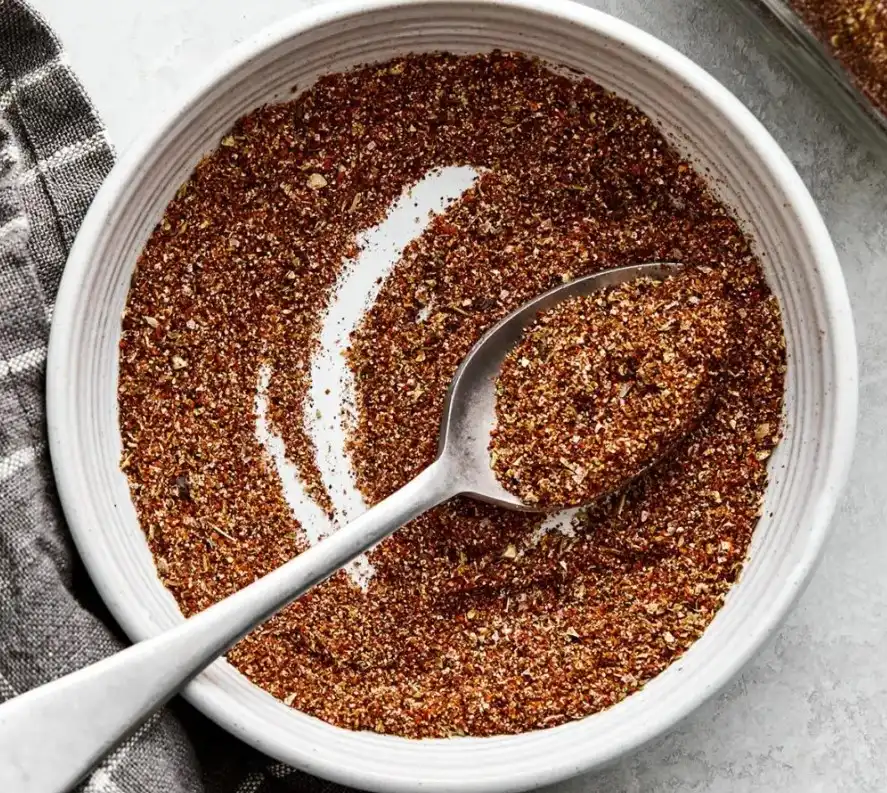
What Is Taco Seasoning?
Tuesday night tacos can taste bland fast. Most store packets deliver one sharp note of salt and chili, then disappear under cheese and salsa. The first time I mixed my own Taco Seasoning Recipe at home, the difference was obvious after one bite. The cumin smelled warmer, the paprika tasted sweeter, and the meat carried flavor all the way through instead of only on the surface.
This recipe fixes three common problems. It cuts the extra sodium found in packaged blends, gives you full control over heat levels, and uses spices already sitting in your pantry. You will learn the exact seasoning ratio, how to adjust the flavor for beef, chicken, shrimp, and vegetables, plus the best storage methods for long lasting freshness. I also share the mistakes that ruin homemade taco meat and how to avoid them.
Melissa Joy (MJ), As Your Virtual Chef, I have tested this blend on everything from quick weeknight tacos to slow cooked carnitas. It works because every ingredient has a clear job.
Jump to RecipeTaco Seasoning Ingredients: The Complete Spice Blend
A great homemade seasoning is only as good as the spices in it. Here is what goes into this blend, and why each ingredient is worth understanding before you open a single jar.
The Core Spices
Chili powder is the backbone of this whole spice blend recipe. It looks like a single spice, but it is actually a pre-mixed blend itself, typically made from dried ancho chili, pasilla chili, and cayenne chili pepper, with cumin and oregano sometimes mixed in. That is why it delivers so much complexity in one scoop. It brings a deep brick-red color and a rich, slow-building heat to everything it touches.
Ground cumin is the soul of this recipe. That unmistakable smoky, nutty aroma you connect with taco night? That is cumin doing its job. It is the most important spice in Mexican cooking and the one you should never skimp on. Fresh, pungent cumin makes the whole blend come alive.
Paprika adds a gentle sweetness and a warm orange-red color. When you want more depth, smoked paprika is the upgrade. It brings a wood-smoke character that works especially well on beef, pork, and shrimp.
Garlic powder (also sold as granulated garlic) gives the blend that savory, full-bodied backbone without the moisture of fresh cloves. It is an essential dry-blend ingredient, and it dissolves perfectly into cooked meat or roasted vegetables.
Onion powder (or granulated onion) adds a slightly sweeter, more mellow layer to the garlic. Together these two form the aromatic foundation that separates a one-dimensional spice blend from one that actually tastes like it came from a real kitchen.
Dried oregano is where this blend gets interesting. Mexican oregano specifically is what you want here. It has a more citrusy, peppery flavor than its Italian counterpart, and it is the variety that shows up in authentic Mexican and Tex-Mex recipes. If you only have Italian oregano on hand, it works fine. The flavor will be slightly softer but still delicious.
Kosher salt or sea salt pulls the whole blend together. Salt is not just seasoning here, it is the ingredient that makes every other spice taste more like itself. Start conservatively and adjust at the stove.
Black pepper adds clean, sharp heat. It is a quiet contributor, but leave it out and something will taste missing.
The Heat Spices
Cayenne pepper is where you control the fire. A quarter teaspoon gives a mild background warmth. Half a teaspoon and you will know it is there. More than that and this becomes a spicy taco seasoning meant for people who take their heat seriously.
Red pepper flakes, also called crushed red pepper flakes, add a different kind of heat than cayenne. It is slower, more textured, and spreads through the dish differently. Add both if you love heat. Skip both if you are cooking for little ones.
The Spices That Set This Blend Apart
Ground coriander is the ingredient most home cooks overlook and most great taco blends include. It adds a faint lemony, floral note that brightens the cumin and chili powder without stealing the spotlight. It is especially good when you are making taco seasoning for shrimp or taco seasoning for chicken, where lighter proteins need that citrus lift.
Chipotle powder is dried, smoked jalapeño ground into powder. A half teaspoon turns this from a standard blend into something smoky and complex. Perfect for carnitas, pulled pork tacos, and anything destined for the grill.
Ancho chili powder comes from dried poblano peppers and carries a rich, slightly sweet, almost chocolatey depth of flavor with very little heat. A teaspoon of ancho chili powder alongside your regular chili powder gives the blend a layered, restaurant-quality character that is hard to achieve otherwise.
How to make homemade taco seasoning in 5 minutes
Learning how to make taco seasoning is probably the easiest cooking skill you will ever pick up. There is no heat, no knife work, and no technique required. Just measuring and stirring.
- Gather all your pantry spices and measure each one into a small bowl. Use the exact ratio in the next section for a balanced, crowd-pleasing result.
- Stir or whisk everything together until the color is uniform throughout. The finished blend should be a deep brick red with flecks of black pepper and red chili.
- Taste a tiny pinch on the tip of your finger. Too mild? Add more cayenne. Want more smoke? Add a pinch more smoked paprika. Need more warmth? A touch more cumin does it.
- Spoon the finished blend into a clean spice jar or airtight container. A small glass mason jar, a labeled zip bag, or any recycled spice jar works perfectly.
- Seal it tightly, write the date on the label, and place it on your spice rack or in a cool, dark cabinet.
- Use it immediately or store it for up to six months. One batch of this taco seasoning mix makes enough to season two to three pounds of meat.
That is how to make taco seasoning from scratch. Five minutes, start to finish.
Taco Seasoning Ratio and Measurements
Most recipe pages bury the ratio at the bottom. Not here. This is the information you actually came for.
Base Recipe, Makes About 3 Tablespoons (Equal to One Store-Bought Packet)
👉 Scroll to see full table →
| Spice | Amount |
|---|---|
| Chili Powder | 1 tablespoon |
| Ground Cumin | 1½ teaspoons |
| Paprika | 1 teaspoon |
| Garlic Powder | ½ teaspoon |
| Onion Powder | ½ teaspoon |
| Dried Oregano | ½ teaspoon |
| Kosher Salt | ½ teaspoon |
| Black Pepper | ¼ teaspoon |
| Cayenne Pepper | ¼ teaspoon |
| Red Pepper Flakes (optional) | ¼ teaspoon |
Use 2 to 3 tablespoons per pound of meat. Start with 2 if you prefer lighter seasoning. Go to 3 tablespoons plus a splash of water for bold flavor.
How to Use Taco Seasoning
Homemade seasoning is far more useful than most people realize. Yes, it is perfect for tacos. But it is also one of the most versatile kitchen staples you can keep on hand. Here is the full picture.
Taco Seasoning for Ground Meat
Taco seasoning for ground beef is the recipe everyone starts with, and for good reason. Brown a pound of ground beef in a skillet over medium-high heat. Drain the fat. Add 2 to 3 tablespoons of seasoning and a quarter cup of water. Stir and let it simmer for two to three minutes. A pinch of cornstarch mixed with the water thickens the liquid and helps the spices cling to every bite. The result is classic ground beef tacos exactly the way they should taste.
Taco seasoning for ground turkey works just as well. Turkey is lean, so it soaks up the cumin and chili powder fast. Add a splash of butter at the start to keep the pan from drying out and the spices will bloom beautifully.
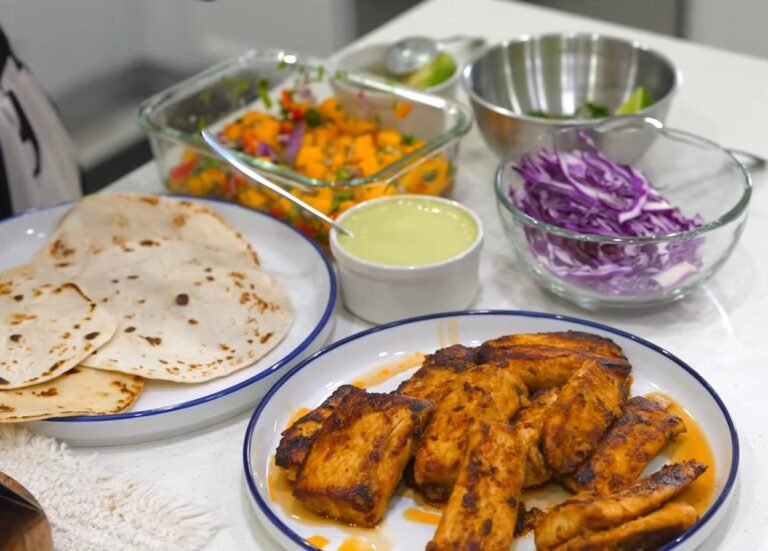
Taco seasoning for chicken turns any cut into something special. Coat chicken thighs or breasts in the dry blend before pan-searing, grilling, or roasting. For shredded chicken, cook first and then toss the pulled meat in a skillet with a tablespoon of seasoning and a little water. You get easy chicken tacos in ten minutes. The same blend makes an excellent chicken fajita marinade when mixed with lime juice and olive oil.
Ground chicken follows the same approach as ground turkey. Mild in flavor and quick to cook, it takes on this spice blend recipe generously and produces incredibly juicy taco meat.
Ground bison has a rich, slightly gamey depth that matches well with the smokier elements of the blend. Pair it with chipotle powder and smoked paprika in your mix for the best result.
Taco Seasoning for Cuts of Meat
Flank steak for carne asada tacos gets a dry rub of this seasoning mixed with a little oil. Let it sit for 30 minutes at room temperature, then cook over high heat. The spices form a crust that seals in the juices and adds real character to each bite.
Carnitas and pulled pork tacos benefit from this blend when it is rubbed all over the meat before slow cooking. The long cook time lets the paprika and cumin sink deep into the pork shoulder. Whether you use an Instant Pot to pressure-cook carnitas in 90 minutes or a slow cooker over eight hours, this seasoning holds up beautifully through both methods and produces pulled pork tacos that people will ask about.
Taco Seasoning for Shrimp and Fish
Taco seasoning for shrimp is one of the most underrated uses of this blend. Toss a pound of raw shrimp with one to two teaspoons of seasoning and a drizzle of oil. Cook in a hot skillet for two minutes per side. Serve in warm corn tortillas with chunky guacamole, pico de gallo, and a squeeze of lime. Shrimp tacos made this way take about eight minutes total and taste like something from a good taco stand.
Fish tacos use the same method. Cod, tilapia, and mahi-mahi all work well. Coat the fillets in the spice blend and either pan-sear them or cook them in the air fryer for a lighter, crispier finish. The ground coriander in the blend is what makes this seasoning work so well with seafood. It adds a citrus note that keeps the fish tasting fresh.
Other seafood, scallops, crab, even lobster, all respond well to a light coating of this blend.
Plant-Based and Vegetarian Uses
Black beans and refried beans tossed with a teaspoon of this homemade Mexican seasoning become a completely different side dish. Rich, savory, and deeply flavored. These seasoned beans are essential for vegan enchiladas, vegetarian burritos, and loaded taco bowls.
Vegetables are one of the most rewarding uses. Cauliflower, zucchini, bell peppers, sweet potato, and corn tossed in the blend and roasted at 425 degrees Fahrenheit come out deeply caramelized and packed with flavor. Use them for sheet pan tostadas, sheet pan fajitas, or as the protein layer in a taco bowl.
Plant-based protein, whether tofu, tempeh, or store-bought ground alternatives, takes this seasoning just as well as meat.
Creative Dishes Beyond Tacos
Nachos: Sprinkle the seasoning into the meat or bean layer before baking chips loaded with cheese and toppings.
Quesadillas: Season the filling before assembling. The blend holds up perfectly to the heat of the pan.
Taco bowls: Season the rice as it cooks, season the protein separately, season the beans, and layer everything for genuine depth in every bite.
Taco salad: Toss seasoned meat over romaine with crushed tortilla chips, pico de gallo, and guacamole salsa for a full meal that uses the whole recipe.
Taco soup: Add two tablespoons to a pot with broth, canned beans, corn, diced tomatoes, and your choice of protein. One pot, thirty minutes, done.
One-pot taco pasta: Cook pasta directly in seasoned beef broth with ground beef. Finish with shredded cheese. Kids love it and adults eat the leftovers for lunch.
Cowboy casserole and chicken taco casserole both use this blend as the primary flavor base.
Mexican beef and rice skillet: Stir the seasoning into the broth before adding rice so the flavor cooks into every grain.
Beef burritos: Season the filling generously. Add pickled onions and refried beans for the complete experience.
Taco dip: Stir one tablespoon of the blend into softened cream cheese for an instant dip that disappears at every party. Dips of all kinds, from layered bean dips to warm queso, benefit from a pinch of this seasoning stirred in. Stews and casseroles with any Tex-Mex influence get an instant upgrade from two or three tablespoons of this blend in the braising liquid.
Bloody Mary: A small pinch of taco seasoning in a Bloody Mary cocktail adds a savory, smoky layer that elevates the whole drink. Try it once and you will always make it this way
Homemade taco seasoning vs store bought packets
A homemade blend gives you cleaner flavor and better flexibility.
| Homemade Blend | Store Bought Packet |
|---|---|
| Adjustable salt level | Usually high sodium |
| No fillers or preservatives | Often includes additives |
| Fresh spice flavor | Older shelf stable flavor |
| Custom heat levels | Fixed spice level |
| Lower cost per batch | Higher cost over time |
This is the real value of a homemade seasoning: better flavor, cleaner ingredients, lower cost, and total control. That is a trade worth making every single time.
Homemade Taco Seasoning (Authentic Mexican cuisine / Tex-Mex cuisine Blend)
Ingredients
Equipment
Method
- Add all spices to a small mixing bowl.
- Stir or whisk until evenly combined.
- Taste and adjust heat or salt as needed.
- Transfer to an airtight spice jar.
- Label and store in a cool, dark place.
Notes
- Use Ratio: 2–3 tbsp per 1 lb meat
- Add Water: ~¼ cup for better coating
- Shelf Life: Up to 6 months
- Storage: Airtight container away from heat
How to Use
For Ground Meat
- Brown 1 lb meat
- Add 2–3 tbsp seasoning + water
- Simmer 2–3 minutes
For Chicken / Shrimp / Fish
- Coat protein with seasoning + oil
- Cook (pan, grill, or oven)
For Vegetables
- Toss veggies (like cauliflower, peppers, zucchini)
- Roast at 220°C / 425°F
Nutrition Insight
- Contains capsaicin (from chili & cayenne)
- Rich in antioxidants (oregano, paprika)
- Supports digestion (cumin)
Taco Seasoning for Special Diets
One of the quietly great things about this recipe is that it fits into almost every dietary lifestyle without any modification. The spice blend is naturally free of common allergens and artificial additives.
Whole30 taco seasoning: This recipe meets Whole30 guidelines exactly as written. Check that your individual spice bottles have no added sugar or preservatives, which is easy to verify on the label. Pure, single-ingredient ground spices are always compliant.
Paleo taco seasoning: Every spice in this blend is a whole, minimally processed ingredient. There are no grains, no legumes, no fillers. This is clean paleo taco seasoning.
Vegan diet and vegetarian diet: The blend is 100 percent plant-based. Use it on beans, lentils, vegetables, tofu, and tempeh for satisfying meat-free taco nights that do not feel like a compromise.
Gluten-free diet: This blend contains no gluten. If you have celiac disease or a serious sensitivity, verify that your spice brands are processed in a dedicated gluten-free facility. Most reputable spice brands label this clearly.
Low-sodium seasoning: Simply reduce the salt or remove it from the blend entirely and season at the table instead. This is the single easiest modification and it makes a real difference for anyone watching their daily sodium intake.
Healthy taco seasoning, really healthy: Several of these spices have genuine nutritional value beyond flavor. Ground cumin has been studied for its role in metabolism support and digestive health. Chili powder and cayenne contain capsaicin, one of the most well-researched anti-inflammatory spices in food science. Oregano is dense with antioxidants. This is not a marketing claim. It is basic spice biochemistry.
This additive-free seasoning supports a balanced diet because it puts real food ingredients back into your cooking and removes processed additives that do not belong there.
Taco Seasoning Substitutes and Variations
Not every spice will be in your pantry every time. Here is how to adapt without losing the spirit of the blend.
No Mexican oregano: Dried Italian oregano is a fine substitute. It has a softer, less citrusy flavor, but the blend still works well. In a pinch, dried basil works as a substitute for oregano too, especially in mild or smoky variations. The flavor will shift slightly toward Italian, but it blends out once cooked.
No cumin: Make a taco seasoning without cumin by doubling the chili powder and adding a pinch of ground coriander and smoked paprika. It changes the character of the blend, but the result is still deeply flavorful and worth making.
Spicy taco seasoning: Double the cayenne pepper and increase the red pepper flakes to a full teaspoon. You can also replace the standard chili powder with a hot chili powder blend for additional intensity throughout the flavor profile.
Smoky taco seasoning: Replace regular paprika with smoked paprika, add a full teaspoon of chipotle powder, and reduce the cayenne slightly. This version becomes a deeply smoky spice mix, ideal for carnitas, brisket, and anything cooked low and slow.
Tex-Mex seasoning mix: Add a pinch of ground coriander and slightly increase the cumin. This is the Tex-Mex seasoning mix version that tilts the blend toward San Antonio-style cooking: warm, earthy, and deeply savory.
Mild taco seasoning: Remove the cayenne entirely, reduce the red pepper flakes to a pinch, and add a little extra paprika for color and gentle sweetness. This version is kid-friendly without sacrificing flavor.
Ancho chili powder variation: Replace one teaspoon of standard chili powder with ancho chili powder. The result is a richer, darker, subtly sweeter blend with a chocolate-like undertone that is excellent with slow-cooked beef.
How to Store Your Homemade Taco Seasoning
Storing this blend properly takes less thought than most people expect. Once you have mixed everything, pour it into a clean spice jar or airtight container right away. A small glass mason jar is ideal. A recycled spice jar with a tight-fitting lid works just as well. The goal is to keep air and moisture out. Find a cool, dark spot on your spice rack or in a closed cabinet. Avoid storing it directly above the stove where heat and steam from cooking shorten the shelf life of every spice you own.
Shelf life is up to six months when stored properly. After that point, the spices do not go bad in any dangerous way. They simply lose their punch. If you open the jar and the smell is faint or flat, make a fresh batch. Always label the jar with the date you made it. One small habit, thirty seconds, and you will never have to guess how old your blend is.
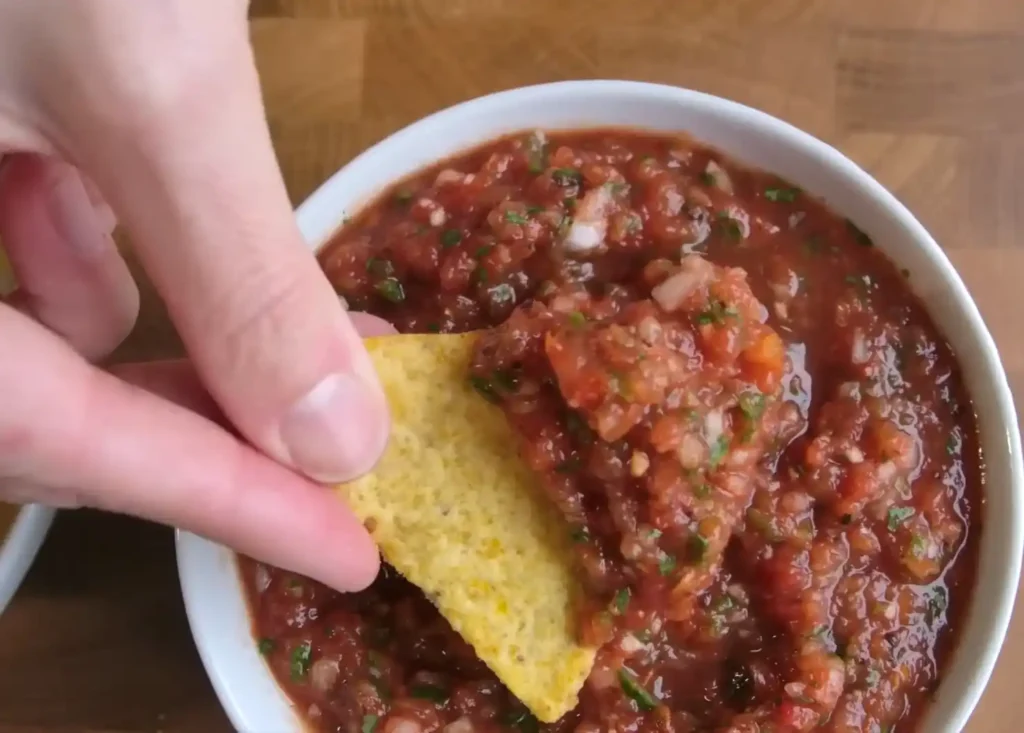
Taco Seasoning and the Culture Behind the Spice
Taco seasoning is more than just a pantry mix—it’s a gateway into the rich history of traditional Mexican spice blends and the evolution of Tex-Mex taco flavors. What most people recognize today as a simple combination of chili powder, cumin, and oregano actually comes from centuries-old cooking techniques rooted in authentic Mexican cuisine, where dried chilies and whole spices are layered to build deep, complex flavor.
As these traditions moved north, Tex-Mex cuisine in places like San Antonio helped shape what we now call classic homemade taco seasoning. In this region, tacos aren’t just food—they’re part of everyday life. The flavors developed there have influenced how millions of people prepare easy taco recipes at home, especially for weeknight dinners and family gatherings.
Tacos are now widely celebrated during National Taco Day and Cinco de Mayo, but the reality is that taco night happens year-round. The reason is simple: tacos are versatile, customizable, and incredibly satisfying. With a single batch of homemade taco seasoning mix, you can create a variety of dishes that feel completely different.
For example, you might prepare slow-cooked birria tacos with rich consommé dipping sauce, or go for crispy carnitas tacos with pickled onions and fresh pico de gallo. If you prefer seafood, shrimp tacos with creamy avocado salsa and lime are a fresh option. And for grilling lovers, authentic carne asada tacos with cilantro and onion on corn tortillas remain a timeless favorite. Each of these popular taco recipes begins with the same foundation a bold, balanced taco spice blend recipe made from pantry staples.
This version of taco seasoning is designed to capture that tradition while fitting modern cooking needs. It works perfectly as a quick homemade taco seasoning for ground beef, a healthy DIY taco spice mix without preservatives, or even a meal prep-friendly taco seasoning blend for busy weeknights. Simple, flexible, and rooted in history it’s a small recipe with a big story behind it.
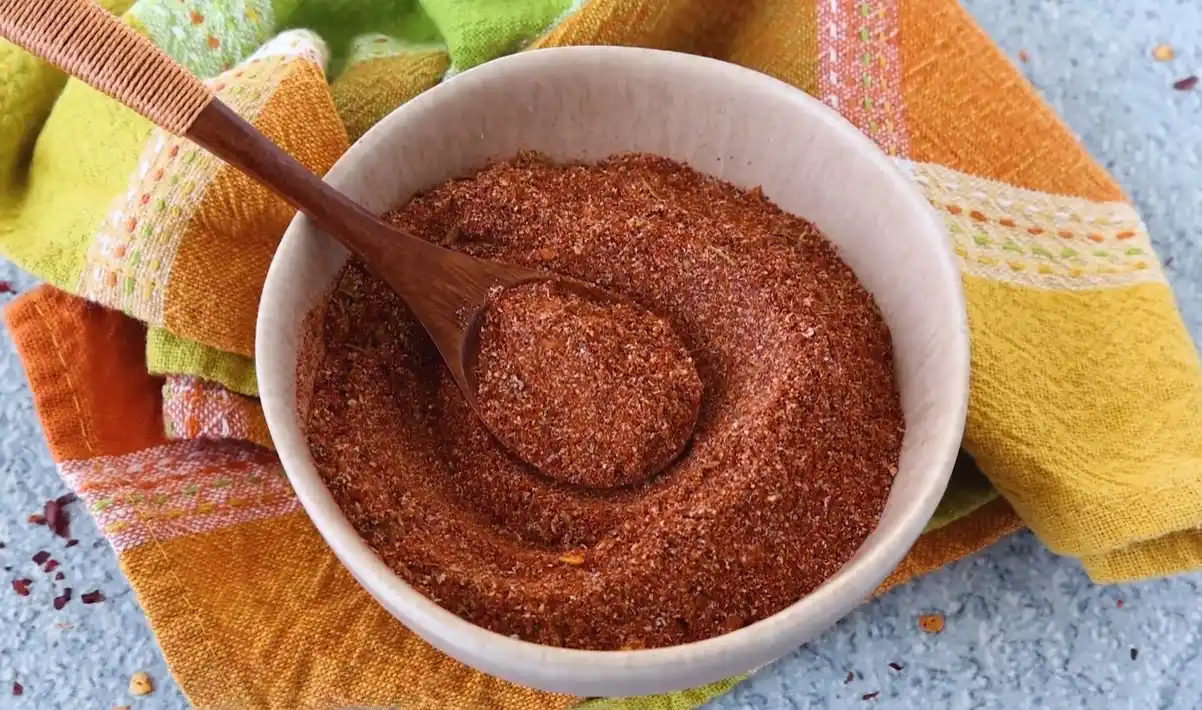
Frequently Asked Questions (FAQs)
You have everything you need right here. A clear spice blend recipe, exact measurements, every use case you could want, and the full picture of why this homemade taco seasoning beats anything in a packet. From ground beef tacos on a Tuesday night to shrimp tacos at a summer cookout, this one blend handles all of it.
Save this page. Write the recipe on an index card and stick it inside your spice cabinet. Share it with the person in your life who has been buying those little yellow packets for years. Once they make this homemade Mexican seasoning from scratch and taste the difference, the packets stay in the store where they belong.
Your kitchen, your blend, your rules.
Read More About Us:
-
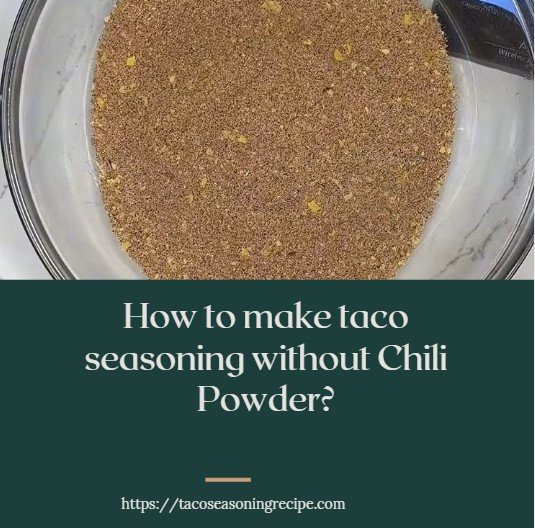
Taco Seasoning Without Chili Powder
Ran out of chili powder, or deliberately avoiding it? You can still make a well-balanced taco seasoning mix with pantry spices. The key is not to simply remove chili powder…
-
Fish Taco Toppings: 30 Fresh, Crunchy, Creamy & Spicy Ideas
The best fish taco toppings add contrast without covering up the fish. Thinly sliced cabbage, avocado, pico de gallo, pickled red onions, cilantro, lime, and a light crema are some…
-
How Long Is Taco Meat Good for in the Fridge? Safe Storage Guide
Cooked taco meat is generally good for 3 to 4 days in the refrigerator when it is refrigerated promptly and kept at 40°F (4°C) or below. This applies to taco…

Leave a Reply